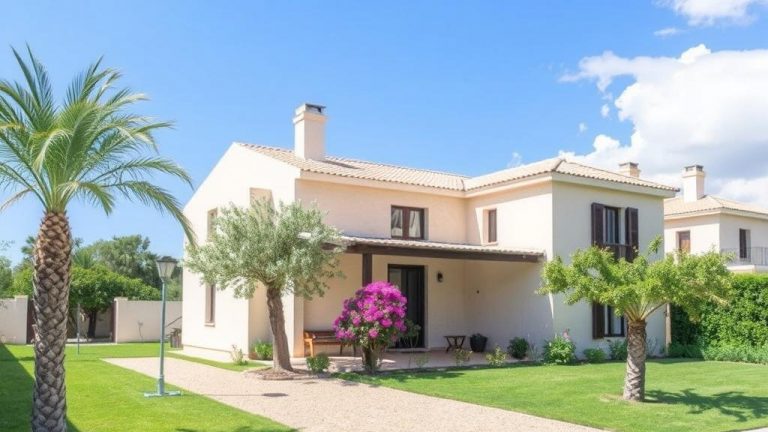
Purchasing property in Cyprus is a significant investment that requires careful scrutiny of various factors to avoid costly mistakes. Whether you’re considering a vacation home, a permanent residence, or an investment property, conducting a thorough property inspection Cyprus is paramount. This process ensures you fully understand the condition and value of the asset before committing financially. Navigating the local property market can be challenging, especially if you are unfamiliar with typical issues encountered in Cyprus real estate. This guide unpacks every critical aspect of the home survey Cyprus process, offering clarity on what to look for and why it matters.
From the initial visual inspection to detailed structural assessment Cyprus specialists perform, this article outlines best practices for a comprehensive building condition check Cyprus. Understanding these procedures equips buyers with the knowledge to negotiate better terms, accurately assess risk, and safeguard their investment. Key topics include legal considerations, technical inspections, environmental factors, and typical regional challenges impacting property longevity. With this knowledge, you can approach your property evaluation confidently, avoiding common pitfalls and making a well-informed buying decision.
Understanding the Importance of Property Inspection Cyprus
A property inspection Cyprus serves as a foundational step when purchasing real estate, particularly for foreign buyers. Unlike casual evaluations or online listings, a detailed inspection delves deep into the physical state and legal compliance of the property. Cyprus’s unique climate, construction practices, and regulatory environment shape specific concerns that require expert knowledge during a home survey Cyprus.
Ignoring a detailed property inspection Cyprus can result in overlooking critical defects, such as hidden damp issues, structural weaknesses, or unauthorized modifications. These can cause significant future expenses and legal complications. Furthermore, a professional property evaluation helps detect discrepancies between the seller’s claims and the actual condition, supporting more realistic offers. In some cases, inspections uncover potential renovation costs or pest infestations that directly affect habitability and property value.
Proper property inspection Cyprus is a vital safeguard, protecting buyers from unforeseen risks and ensuring informed investment decisions.
Understanding the local context is also essential. Cyprus’s Mediterranean climate exposes buildings to humidity, sun, and occasional storms, which accelerate wear and tear on materials. Furthermore, regional building standards and past construction booms mean some properties may not meet modern safety or energy efficiency standards. These factors make a technical property inspection Cyprus indispensable for identifying issues not immediately visible to the untrained eye.
Key Phases of a Home Survey Cyprus
A comprehensive home survey Cyprus consists of several distinct phases, each focusing on different aspects of the property. These stages work together to build a detailed overview of the building’s condition, enabling thorough property evaluation. Below, each phase is explained:
1. Visual External Examination
The initial phase involves a systematic walk-around to assess the property’s exterior. Experts look closely at the roof, walls, windows, and external finishes, searching for visible cracks, water damage, erosion, or signs of previous repairs. Special attention is paid to roofing materials common in Cyprus, such as terracotta tiles or flat concrete slabs, because these can be prone to deterioration over time under intense sunlight and frost.
Drainage and guttering systems are also inspected to confirm proper water runoff, as poor drainage leads to damp-related problems. The presence of vegetation growing close to or on walls is noted, as it can compromise structural integrity.
2. Structural Assessment Cyprus
This technical phase focuses on the integrity of the building’s load-bearing elements. A structural assessment Cyprus examines foundations, beams, columns, and floors to detect subsidence, cracking, or any sign of structural failure. In Cyprus, older properties often face issues related to seismic activity and soil movement, making this an especially critical evaluation.
Tools such as crack gauges, moisture meters, and sometimes even ground-penetrating radar help determine the extent and cause of damage. Structural engineers may be brought in if serious defects are suspected. Their reports are invaluable during negotiations or when planning repairs or extensions.
Structural assessment Cyprus illuminates hidden risks that can undermine a property’s safety and long-term stability.
3. Internal Inspection
The internal aspect of the home survey Cyprus inspects walls, ceilings, floors, doors, and windows for any imperfections or damage. Damp patches, mold growth, and signs of condensation are carefully noted because they often indicate underlying ventilation or water intrusion issues. Additionally, defects such as warped doors or misaligned windows can signify foundational movement or structural shifts.
Electrical systems, plumbing infrastructure, and heating/cooling units are also reviewed at this stage, though a full wiring or equipment certification usually requires specialized engineers. Evaluators check for compliance with current safety standards and adequate functionality.
4. Building Condition Check Cyprus – Ancillary Elements
A complete building condition check Cyprus extends beyond the main structure to include garages, patios, fencing, and landscaping. These elements influence the overall usability and aesthetic appeal of the property, and their maintenance status can reflect the owner’s care. Imperfect or deteriorated ancillary structures might incur additional maintenance costs.
Furthermore, where applicable, the condition of swimming pools, solar panels, or specialized fixtures is assessed to ensure full transparency about repair or replacement needs. This phase is particularly important in Cyprus, where outdoor living amenities are often integral to the property’s value proposition.
Understanding Legal and Compliance Issues in Property Evaluation
While the physical building check is essential, property evaluation in Cyprus must also incorporate legal due diligence. Cyprus’s property laws and regulations have evolved significantly, but complications still arise from unclear titles, incomplete permits, and irregularities in planning permissions.
Ensuring that the property has the correct licenses and that all construction complies with local zoning laws cannot be overlooked. An expert familiar with Cyprus property law should review all documentation, including title deeds, planning permits, and previous building approvals. Some properties, especially older or rural homes, may lack full documentation, posing risks for future owners.
Additionally, environmental permits can be relevant if the property is near protected coastal zones or agricultural areas. Failure to comply with environmental laws can lead to substantial fines or restrictions on property use.
Legal compliance checks provide the framework to avoid costly disputes and confirm the legitimacy of your property purchase in Cyprus.
Common Structural and Environmental Issues Affecting Cyprus Properties
Certain structural and environmental challenges are common across Cyprus, influencing property condition and inspection priorities. Buyers must be aware of these typical issues when undergoing a property inspection Cyprus or structural assessment Cyprus.
Humidity and Dampness
Despite Cyprus’s dry summers, winter rains and coastal humidity can cause dampness inside buildings. This moisture can penetrate porous building materials, fostering mold growth and weakening plaster or paint. Inspectors pay close attention to basements and lower walls, especially where waterproofing may be inadequate.
Salt Damage Near the Coast
Properties close to the Mediterranean Sea may suffer salt crystallization within masonry and concrete. This process can gradually erode external surfaces and corrode steel reinforcements, jeopardizing structural soundness. Identifying salt damage early is part of a thorough building condition check Cyprus.
Seismic Vulnerability
Cyprus is located in a seismically active region, so older constructions may not meet modern earthquake resistance standards. Structural assessments often focus on retrofitting needs and reinforcement quality, especially when purchasing older homes or those built before recent building codes were enacted.
Termite and Pest Infestations
Although not as severe as in tropical climates, pests such as termites or wood-boring beetles can occasionally affect properties, especially those with timber elements. A detailed property evaluation includes checking for signs of infestation, which can cause significant, hidden damage over time.
Choosing the Right Professionals for Property Evaluation in Cyprus
Successful property evaluation relies heavily on hiring qualified experts who understand Cyprus’s unique real estate environment. A superficial inspection or an inexperienced assessor risks overlooking critical factors. Therefore, selecting professionals with local knowledge and accreditation is necessary.
Registered chartered surveyors, civil engineers, and architects with experience in property inspection Cyprus should be your preferred consultants. Many inspection companies provide comprehensive packages combining home survey Cyprus, structural assessments, and legal compliance checks. These holistic services ensure all issues are covered in a single process, providing maximum clarity.
Check credentials carefully and request samples of previous inspection reports. This due diligence ensures the inspection output is detailed, accurate, and actionable. Additionally, inquire about the methodology and tools used during the inspection to guarantee modern and innovative techniques are included.
Engaging knowledgeable and certified professionals is crucial for a thorough and reliable property evaluation in Cyprus.
Costs and Timeline of a Property Inspection Cyprus
Costs for property inspection Cyprus vary depending on property size, location, and the depth of the survey needed. A basic home survey may range from €300 to €700 for an average-sized property, while extensive structural assessments and building condition checks can increase the fee, sometimes exceeding €1,000.
Timeline considerations are equally important. Most inspections are completed within one or two days, with detailed reports delivered within a week. For complex assessments involving structural engineers or legal consultants, allow for extended timelines to review findings and perform supplementary tests.
Spreading the inspection timeline appropriately is essential to ensure the buyer receives a comprehensive report before contract signing or deposit payments. Rushing this step can limit your ability to negotiate or withdraw from the transaction if substantial defects arise.
Key Checklist for Property Inspection Cyprus
| Inspection Aspect | Main Points to Check |
|---|---|
| Exterior | Roof condition, external walls, drainage, windows, façade integrity |
| Structure | Foundation cracks, support beams, floor levelness, subsidence signs |
| Interior | Dampness, mold, electrical wiring, plumbing, heating/cooling systems |
| Ancillary Features | Garage, patios, fences, pools, landscaping conditions |
| Legal & Compliance | Title deed, planning permissions, zoning, environmental permits |
This checklist helps structure your property inspection Cyprus for a comprehensive evaluation.
Final Thoughts: Securing Peace of Mind with a Thorough Property Evaluation in Cyprus
Buying property in Cyprus offers tremendous lifestyle and investment opportunities, but must be approached with due diligence. Undertaking a professional property inspection Cyprus and related assessments uncovers latent issues ranging from structural faults to legal entanglements, which could otherwise undermine the value and safety of your purchase. Integrating roof-to-foundation inspections with legal document reviews creates a thorough property evaluation framework ensuring your confidence in the transaction.
With local experts handling the technical and legal dimensions, buyers avoid surprise costs and risks that can turn a dream property into a financial burden. The unique environment and building history of Cyprus demand specialized knowledge to accurately assess condition and compliance. Armed with this guide, prospective purchasers can approach their home survey Cyprus and structural assessment Cyprus equipped with the right questions and expectations.
Investing time and resources upfront in a careful building condition check Cyprus pays dividends in peace of mind and financial security. It empowers you to make an informed, pragmatic decision, protecting the long-term value of your Cyprus property acquisition.
Frequently Asked Questions
- What does a property inspection Cyprus typically include?
A standard inspection includes visual checks of the exterior and interior, structural assessment, and evaluation of essential systems like plumbing and electrical. It may also cover legal document review if combined with a full property evaluation. - How long does a home survey Cyprus take?
Most surveys take one to two days, with a detailed written report delivered within a week. Complex properties might require more time. - Do I need a separate survey for structural assessment Cyprus?
Sometimes yes. While some inspections include structural checks, severe concerns may require a specialized structural assessment for thorough analysis. - Can a property inspection Cyprus detect pest infestations?
Basic inspections can identify visible signs of pests, but comprehensive pest control evaluations require separate specialist inspections. - Are there legal risks if the property lacks proper permits?
Yes, missing or incorrect permits can cause legal disputes or restrictions on property use, making legal compliance a critical part of property evaluation in Cyprus. - Is a building condition check Cyprus necessary for new properties?
Yes, even new builds can have defects. A condition check ensures the construction meets standards and that no hidden problems exist. - How much does a full property inspection Cyprus cost?
Costs vary but typically range from €300 to over €1,000 depending on the property’s size, complexity, and required depth of checks.