Purchasing property in Cyprus is an appealing prospect for many investors, expatriates, and locals alike. The island’s favorable climate, growing economy, and attractive lifestyle draw countless interested parties into the real estate market each year. Yet, the crux of any real estate transaction lies in the proper registration and issuance of title deeds, which provide legal proof of ownership. Understanding the details of how title deeds in Cyprus are managed, the property registration Cyprus procedures, and the potential challenges that may arise is essential to protecting your investment.
Throughout this article, we will explore the complete registration process for title deeds in Cyprus, examining the role of the land registry Cyprus, the mechanics of ownership transfer Cyprus, common deed problems Cyprus, and practical tips for ensuring a smooth transaction. Anyone involved in Cyprus property transactions should find this guide useful in navigating a sometimes complex but vital legal framework.
What Is a Title Deed in Cyprus and Why Is It Important?
The “title deed Cyprus” is the official document certifying legal ownership of a property. It acts as incontestable proof that the registered owner holds rights over the land or real estate in question. This document includes essential information such as the owner’s name, the exact location and boundaries of the property, any liens or mortgages, and any encumbrances that affect the title.
Securing your title deed is not merely a bureaucratic formality; it represents the foundation of your property rights under Cypriot law. Without a properly registered title deed, owners risk disputes, potential fraud, and complications in resale or inheritance.
Without clear, registered title deeds in Cyprus, even a legitimate property purchase can lead to years of legal uncertainty.
The government land registry Cyprus office plays a critical role in maintaining official records of ownership. It is the authoritative entity that manages these documents, ensuring the transfer of ownership is both transparent and legally binding. This system promotes confidence in property transactions and contributes to orderly land use and development.
The Cyprus Property Registration System: An Overview
Property registration Cyprus is administered through a dual system: the Department of Lands and Surveys (DLS) and the Immovable Property Registration (IPR) system. The Department of Lands and Surveys maintains land records, produces cadastral maps, and oversees property registration, while the IPR works towards broader registration coverage of all immovable property—a goal still underway.
Unlike some countries with complete mandatory registration, Cyprus historically relied heavily on possessory rights and registration was optional in many cases. However, progressive reforms have shifted toward comprehensive property registration Cyprus with enhanced national coverage.
The registration process involves the formal submission of purchase documentation, verification of ownership claims, payment of any transfer fees and taxes, and the ultimate issuance of the title deed. The entire procedure may take several months, making patience and precision critical components.
Key Stages in Cyprus Property Registration
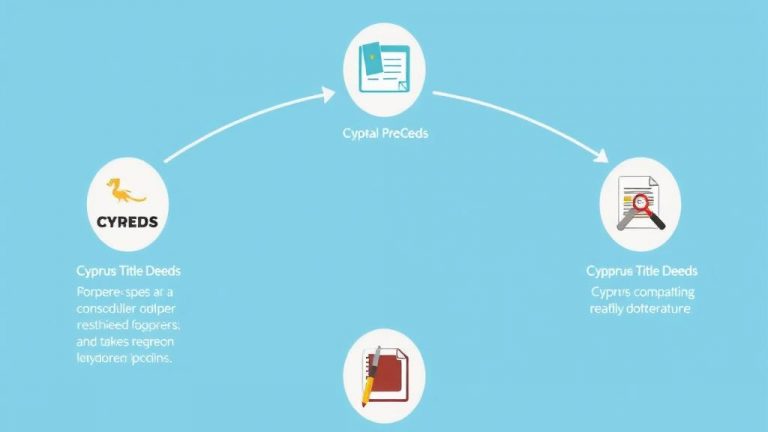
The registration sequence typically follows these stages:
- Title investigation and due diligence
- Contract signing and deposit payment
- Ownership transfer submission to the land registry Cyprus office
- Payment of transfer fees and stamp duty
- Verification and objection period
- Issuance of the title deed certificate
The land registry Cyprus office ensures every step of the ownership transfer Cyprus complies with the law, protecting buyers and sellers.
It is essential to engage qualified legal counsel to guide the registration process, as missteps could delay or invalidate the transaction. The legal team will verify property boundaries, confirm seller credentials, and review all encumbrances including mortgages or third-party rights.
Ownership Transfer Cyprus: The Legal Framework
Transferring ownership in Cyprus is a legal act that demands compliance with statutory requirements to effectuate a binding change in registered ownership. Ownership transfer Cyprus occurs upon the endorsement and registration by the land registry Cyprus authorities. This process converts the initial private sale agreement into a legally recognized transfer of property rights.
A contract for sale alone does not grant ownership. The transaction is only completed once the title deed Cyprus is formally transferred by registration. This distinction is often overlooked by foreign buyers who may assume the sale contract is sufficient.
To initiate ownership transfer Cyprus, several fundamental steps must be followed. The seller and buyer prepare a Deed of Sale, which must be notarized. This deed contains all material terms of the sale, including price, property details, and respective obligations. Upon notarization, the buyer submits the deed, payment receipts, and supporting documents to the land registry Cyprus office.
The land registry then reviews the deed for legal compliance, verifies payment of fees such as Transfer Fees and VAT (if applicable), and inscribes the new owner on the registry records. In cases where the property involves co-ownership or mortgages, additional consents may be required before registration.
Registration at the land registry Cyprus is the only act that legally completes property ownership transfer Cyprus.
Understanding Transfer Fees and Taxes in Cyprus
An integral part of the property registration Cyprus process is the payment of transfer fees and associated taxes. Neglecting these payments can halt the issuance of the title deed Cyprus and even render the transaction invalid.
The transfer fee structure is progressive, scaled according to the property value. It is calculated on a sliding scale:
| Property Value Range (€) | Transfer Fee Percentage |
|---|---|
| 0 – 85,000 | 3% |
| 85,001 – 170,000 | 5% |
| 170,001 – 300,000 | 8% |
| Above 300,000 | 11% |
In addition to transfer fees, buyers must also pay stamp duty, typically 0.15%, on the sale price noted in the contract. Value Added Tax (VAT) may apply to new properties purchased from developers, which affects the overall cost calculations.
Timely payment of these fees is vital, as registration will not proceed without clearance. Importantly, these fees are subject to change, so updated information should always be confirmed at the time of sale.
Common Deed Problems Cyprus Buyers Should Avoid
Despite the structured system in place, deed problems Cyprus remain a significant risk that can cause substantial headaches-post transaction. Understanding potential pitfalls is critical in preventing future disputes or lengthy litigation.
One of the most frequent issues is the absence or delay of a title deed Cyprus, where properties are sold based on ownership rights but lack formal registration in the island’s land registry Cyprus system. This situation creates ambiguity in ownership and amplifies the risk of fraud.
Another recurring problem is the existence of encumbrances or mortgages undisclosed during sale negotiations. These hidden interests can lead to ownership conflicts, especially when co-owners or creditors have claims on the property.
Boundary disputes also arise, frequently due to outdated cadastral maps or misinterpretations of land surveys. Without clear delineation of property lines, owners may inadvertently infringe neighboring land rights, provoking legal disputes.
Confirming clear title through thorough investigation before purchase helps avoid most deed problems Cyprus.
Buyers should insist on legal due diligence that includes:
- Official title deed Cyprus verification at the land registry Cyprus
- Investigation of any mortgages or encumbrances
- Confirming that all transfer fees and taxes have been cleared
- Physical survey to verify property boundaries
Ignoring any of these steps substantially increases the risk of post-purchase complications.
Role of the Land Registry Cyprus in Protecting Property Rights
The land registry Cyprus office functions as a safeguard institution, holding and updating all property-related records across the country. It is responsible for ensuring that title deed Cyprus issuance follows due procedure and that any ownership transfer Cyprus is correctly documented.
The registry system operates on a first-to-file basis, meaning that priority rights to property are granted to those officially registered first. This principle discourages fraudulent claims and prioritizes transparency. The registry maintains electronic and physical archives that include information about property ownership, mortgages, leaseholds, and easements.
Technological upgrades are in progress to accelerate registration processes and improve accessibility for stakeholders. Digital applications and preliminary checks can now shorten waiting times, though complete title deed Cyprus registration remains a meticulous governmental process.
The land registry Cyprus office upholds the integrity of property ownership through vigilant recordkeeping and legal compliance checks.
Step-by-Step Guide to Registering Your Property in Cyprus
While every registration case might present unique circumstances, a standard pathway typically applies for registering your property and obtaining the title deed Cyprus. This section provides a clear, technical roadmap guiding property owners through the process.
- Conduct Due Diligence: Hire a reputable lawyer to examine the seller’s ownership rights, §confirm no liens exist, and check property boundaries.
- Sign the Preliminary Contract: A sales agreement is drafted, outlining price, payment schedules, and contingencies.
- Make Initial Payment: Usually a deposit is paid to confirm intent and secure the sale.
- Preparation and Notarization of the Deed of Sale: The final contract of sale must be notarized by a Cypriot notary public.
- Pay Transfer Fees and Taxes: Submit evidence of payment to the land registry Cyprus office.
- Submit Documents for Registration: Send the notarized deed, payment proofs, and necessary applications to the registry.
- Verification and Processing: The land registry Cyprus conducts checks on the documents and property records, ensuring full compliance.
- Receive Title Deed: Once approved and registered, you will be formally issued the title deed Cyprus, acknowledging your legal ownership.
Delays of several months are standard due to thorough governmental oversight. Buyers should regularly follow up with legal advisors and relevant authorities.
Your Cyprus Property Investment: Securing Ownership for the Future
Understanding the intricacies of property registration Cyprus is fundamental for anyone seeking secure property investment in Cyprus. The title deed Cyprus embodies your ownership rights, and properly navigating the ownership transfer Cyprus process avoids costly legal conflicts. Awareness of deed problems Cyprus and proactive due diligence lower risks, ensuring your investment stands on firm legal ground.
Cyprus’s property market continues to evolve, with reforms enhancing transparency and efficiency in the land registry Cyprus. These developments benefit buyers by increasing confidence and reducing transactional uncertainties.
For any property buyer or investor, thorough comprehension of the registration process—combined with competent legal guidance—constitutes the best defense against common pitfalls. While the process can feel bureaucratic, each step is designed to protect your ownership and ensure clarity in property rights.
Securing your title deed in Cyprus turns your property purchase into a stable, legally recognized asset with enduring value.
Master Your Property Journey: Navigating Cyprus Title Deeds with Confidence
The Cyprus title deed system may appear complex and elongated, but it is fundamentally designed to protect buyers and sellers alike. A clear understanding of key concepts such as ownership transfer Cyprus, property registration Cyprus, and the land registry Cyprus role ensures a smoother transaction with fewer surprises. Being aware of common issues such as deed problems Cyprus empowers buyers to preempt challenges and safeguard their investment.
Success in Cyprus property dealings hinges on combining legal knowledge, careful planning, and patience. Don’t view title deed Cyprus acquisition as a mere administrative step—recognize it as the crucial legal linchpin securing your property rights. Informed property owners can then enjoy Cyprus’s benefits with the reassurance of clear, incontrovertible ownership.
Frequently Asked Questions
-
How long does it typically take to receive a title deed in Cyprus after purchase?
On average, the registration process can take anywhere from 6 months to over a year, depending on the property type, location, and any complexities involved. -
What should I do if the seller cannot provide the title deed Cyprus immediately after the sale?
Ensure your lawyer conducts a full title investigation and negotiates protections such as escrow arrangements until the registered title deed is issued. -
Can I buy a property in Cyprus without a registered title deed?
While it is possible, purchasing property without a title deed poses significant legal risks and may lead to deed problems Cyprus later. Proceed only with thorough legal advice. -
Are transfer fees Cyprus negotiable between buyer and seller?
Transfer fees are statutory and typically split 50-50 by convention, but this can be subject to negotiation in the contract. -
What is the best way to avoid deed problems Cyprus?
Engage a qualified local lawyer to perform due diligence, verify the title at the land registry Cyprus, and ensure all fees and taxes are paid before finalizing the transaction. -
Do foreign buyers face restrictions in Cyprus property registration?
Foreigners can freely purchase property in Cyprus, though certain nationalities may require permission from the Council of Ministers for specific property types. -
What happens if there is a dispute after the title deed is registered?
Disputes will be resolved through Cypriot courts, which uphold registered titles as prima facie evidence of ownership, making registration crucial.